TikTok Will Pay Creators in 30 Days — and Own the Pipe
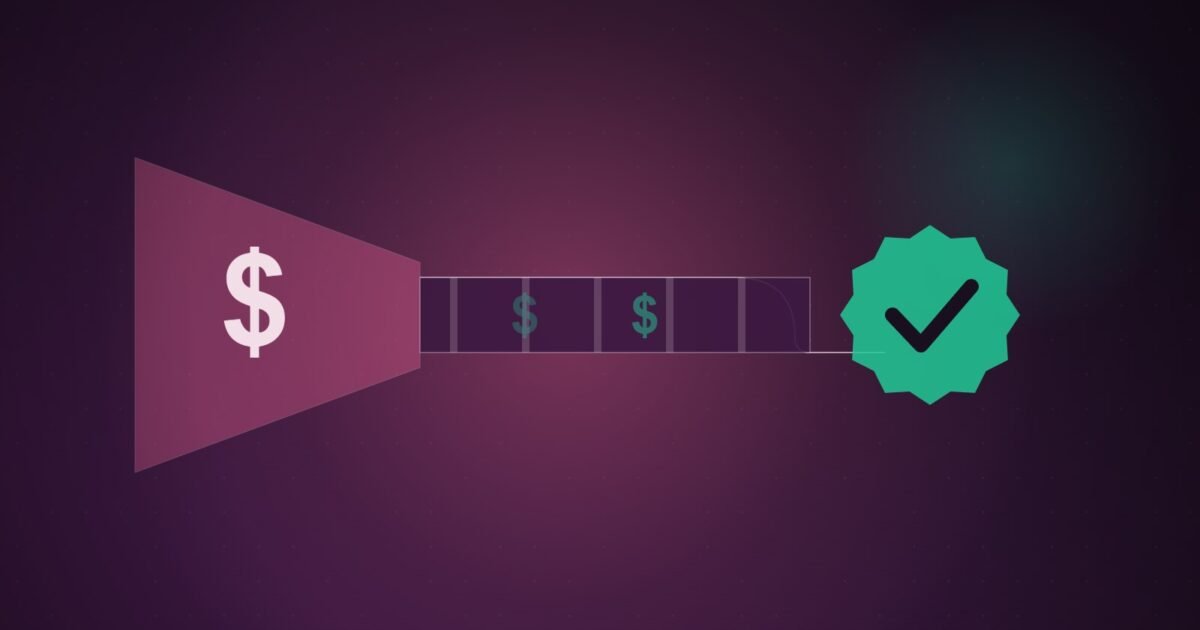
Anyone who has ever chased an invoice knows the real tax of the creator economy isn’t the platform’s cut. It’s the wait. A brand agrees to a deal, the content goes up, and then the money disappears into net-60 or net-90 purgatory while the creator — who has already done the work and paid for the ring light — floats the cost. So when TikTok used its Creators Summit in Los Angeles on September 24 to announce TikTok One Pay, a system that handles invoicing and pays creators within 30 days of a video posting, with no transaction fees and no commission, it landed on a genuine pain point. Creators keep 100% of the deal. For someone under an agency’s thumb or with no representation at all, that is a materially better arrangement than the industry norm.
That’s the honest good news, and it deserves to be stated plainly before the skepticism, because the skepticism is about where this leads, not whether it helps today.
One Pay is one piece of a wider push to make TikTok One — the platform’s brand-creator marketplace, open to accounts with at least 10,000 followers — the default place where sponsored work gets sourced, matched, measured, and now paid. Alongside the payment system, TikTok rolled out AI-powered discovery: a creator search that filters by audience, niche, and past performance, and a “creator marketing agent” that matches brands to creators from a plain-language brief. It also introduced TikTok One Plus, an invite-only tier that stamps vetted creators with a “high-quality content creator” label visible to brands and hands them a 15% bonus on certain collaborations. Eligibility: 18 or older, based in the U.S. or Mexico, at least 100,000 followers, account in good standing.
Stack those pieces up and the shape is unmistakable. TikTok isn’t just hosting the content anymore — it wants to own every link in the chain between a brand’s budget and a creator’s bank account. Discovery, matchmaking, the deal, the measurement, the money. Each feature is individually attractive. Together they are a lock-in strategy, and a classic one: make the rails so smooth that leaving the platform’s ecosystem — to a third-party agency, a rival marketplace, a direct brand relationship — starts to feel like friction you’re choosing. The 30-day payment and the zero fees are the honey. The question every creator should ask is what the terms look like in year three, once the alternatives have atrophied and TikTok sits in the middle of the whole transaction.
The faster money is real. So is the wall.
The pitch leaned hard on numbers, and they deserve the usual skepticism reserved for platform-supplied stats. TikTok said creator content drives 52% higher click-through rates than non-creator content and touted 90% year-over-year growth in creators earning through TikTok One. It wheeled out a case study: food critic Keith Lee’s partnership with Hyundai, which it said generated 29 million views and a click-through rate 645% above the brand’s benchmark. These are real-sounding figures attached to a real creator, but they are also marketing — self-selected, self-measured, and offered precisely to make the marketplace look indispensable. One celebrated Hyundai campaign is not evidence that the median creator on TikTok One is thriving.
There’s a structural tell in the framing, too. “Followers are the starting point, but fit is the strategy,” summit hosts told the room — a neat line that doubles as a justification for the vetted-creator label. “Fit,” in practice, means TikTok deciding which creators get the badge, the bonus, and the visibility to brands. That’s enormous soft power over who earns. A platform that controls discovery and the quality signal and the payment rail is a platform that can quietly reorder the entire economy of who gets booked, without ever changing a published rule.
None of this makes One Pay a trap to avoid. If you’re owed money and TikTok will pay you faster with no cut, take it — but take it the way you’d take a credit card with a great intro rate, clear that the terms exist to change later. The creator economy spent a decade learning that platform generosity is a phase, not a promise: the reach that was free becomes pay-to-play, the revenue share that was favorable gets revised, the algorithm that made you gets quietly tuned against you. TikTok is making it easier than ever to run your whole business inside its walls. The faster money is real. So is the wall.
Sources

Casie Stewart covers the creator economy, social platforms and wellness tech for prompt/power: who gets paid, who gets seen, and what the algorithm is really asking of the people who feed it. She has been publishing online since 2005, long before "creator" was a job title, and has spent most of that time on the other side of the platforms she now writes about. Based in Toronto. Her rule for any new app: if it promises to save you time, check how much of it you just spent reading the onboarding.
Keep reading
Latest from prompt/power
- Gemini’s Free Tier Shrinks Oct. 9: What You Keep and What Costs ExtraOct 5
- How to Read an AI Company’s S-1: The 7 Numbers That MatterOct 5
- OpenAI’s Safety Lead Quit Over Culture. California’s AG Was Already InOct 5
- When an AI Agent Breaks In, Who Answers for It?Oct 5
- The New AI Models Don’t Talk. They Decide.Oct 5
Leave a Reply