Siri AI Is Finally Here: in Beta, in English, and Not on iPhones in Europe
For two years, Siri has been the punchline of Apple’s AI story. The smarter, more personal assistant Apple promised in 2024 kept slipping, while ChatGPT, Gemini and others moved ahead. On September 14, with iOS 27, iPadOS 27, macOS 27, watchOS 27 and its other platform updates, Apple finally shipped it, under a new name: Siri AI.
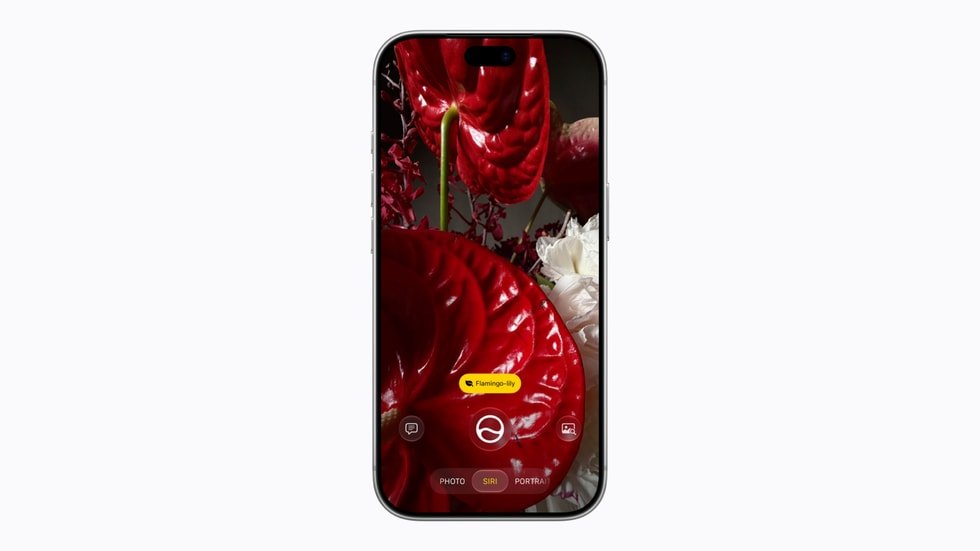
Apple calls it “an entirely new version of Siri powered by the next generation of Apple Intelligence.” On paper, it’s the Siri people were promised. It understands personal context across your messages, email and photos. It knows what’s on your screen. It can take actions inside apps. A dedicated Siri app syncs your conversation history through iCloud, so you can start a chat on your iPhone and pick it up on your Mac, iPad, Apple Watch or Vision Pro. Write with Siri drafts or refines text from a description. And in the Camera app, a new Siri mode can look at what’s in front of you and act on it: split a bill and pay friends with Apple Cash, or add a custom pass to Wallet.
The fine print, in Apple’s own words
If it works as shown, this is the assistant Siri should have been all along. But the caveats aren’t small, and Apple states them itself.
- It’s a beta. Siri AI is “now rolling out as a beta.”
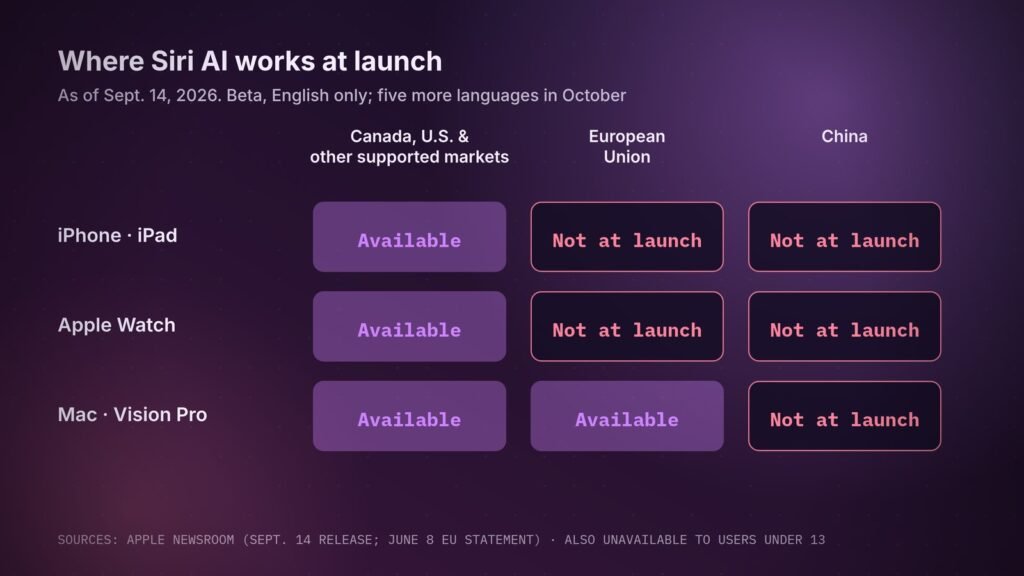
- It’s English first. French, Japanese, Korean, Portuguese and Spanish are “coming in October.” For Canada, that means French-speaking users wait at least another few weeks. Every other language has no date yet.
- It’s not on iPhones in the EU. Siri AI “will not be available initially in the EU in iOS, iPadOS, and watchOS.” EU users can use it on a Mac or Apple Vision Pro set to a supported language.
- It’s not in China. Siri AI and the other new Apple Intelligence features won’t be available there “while Apple works through regulatory requirements.”
- It’s not for kids. Siri AI isn’t available to users under 13.
The fight with Brussels
The EU gap didn’t come out of nowhere. In a June 8 statement, Apple blamed the Digital Markets Act, saying that, according to EU regulators, the law requires it to give any AI system “nearly unlimited access to a user’s device,” and said EU regulators “did not accept any of Apple’s proposed solutions.” The European Commission has publicly disputed Apple’s account. Whoever is right, the practical result is that “available now” comes with an asterisk covering hundreds of millions of people, on the devices they use most.
The beta label matters too
Shipping a headline feature as an explicit beta is an admission, a reasonable and even refreshing one, that the assistant isn’t finished. It also follows a rough stretch. The personal-context Siri Apple demoed in 2024 slipped repeatedly, and “Siri AI” is both a new product and a reset on a promise Apple struggled to keep. The rebrand is doing double duty: it marks a genuine architectural change, and it draws a line under the delays.
Not just Siri
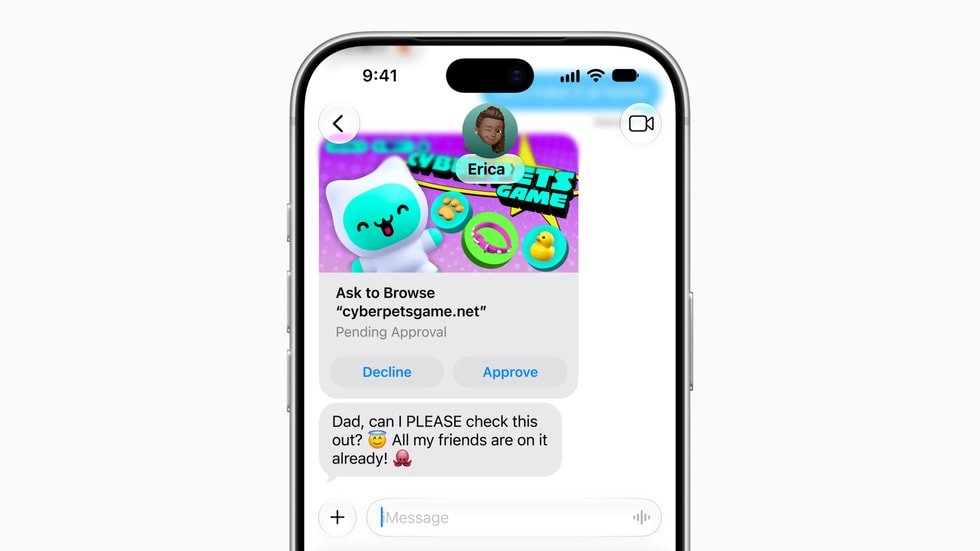
The updates go beyond the assistant. In Photos, Apple Intelligence adds Spatial Reframing, Extend and an upgraded Clean Up. And there’s a substantial set of new parental controls that help parents manage, in Apple’s words, “what their kids can see, who they can talk to, and when they have access to apps.” Those child-safety features may prove the more broadly useful half of this release, and they don’t come with Siri AI’s regional asterisks.
The bottom line
Apple has, at last, shipped the AI assistant it staked its 2024 keynote on, and, on the evidence of Apple’s own demos, a capable one. It also shipped it hedged on every axis that matters: maturity (beta), language (English first) and geography (no EU iPhones, no China). Apple spent two years being criticized for promising an AI it couldn’t deliver. Now it has delivered one it can’t yet deliver everywhere. That’s real progress, and it’s also exactly the kind of gap between announcement and reality worth keeping an eye on.
Feature descriptions and availability are from Apple’s September 14 release. Siri AI performance claims are Apple’s, pending independent testing.
Sources
- Apple Newsroom: Major updates for Apple's software platforms are now available (Sept. 14, 2026)
- Apple Newsroom: Due to DMA, Siri AI delayed in EU for iOS 27 and iPadOS 27 (June 8, 2026)
- Table.Briefings: Siri AI — Commission disagrees with Apple
- Michael Tsai: No Siri AI in EU
- Quartz: iOS 27 Siri AI new features (Sept. 15, 2026)

Andrew Lovesey is the editor-in-chief of prompt/power and the founder of Loveseyland, a Toronto studio that builds worlds and the companies inside them. Before that he spent 12 years at Canadian Geographic and the Royal Canadian Geographical Society, finishing as Director of Digital and Video, and later led the digital practice at Navigator. He is a Fellow of the RCGS and received its Quest Medal for his part in the expedition that located the wreck of Shackleton's Endurance. At prompt/power he covers Apple and writes the big-picture analysis. He has helped find a ship lost for more than a century, and still can't reliably find a phone charger that works.
Keep reading

Analysis: John Ternus’s First Fall Shows an Apple That Perfects, Not Pioneers


Meta’s Instagram AI remix died in three days. The license didn’t.
Latest from prompt/power
- Gemini’s Free Tier Shrinks Oct. 9: What You Keep and What Costs ExtraOct 5
- How to Read an AI Company’s S-1: The 7 Numbers That MatterOct 5
- OpenAI’s Safety Lead Quit Over Culture. California’s AG Was Already InOct 5
- When an AI Agent Breaks In, Who Answers for It?Oct 5
- The New AI Models Don’t Talk. They Decide.Oct 5
Leave a Reply