
Amazon’s AI Can Buy Your Big Deal Days Haul. Canadians Get Half the Kit
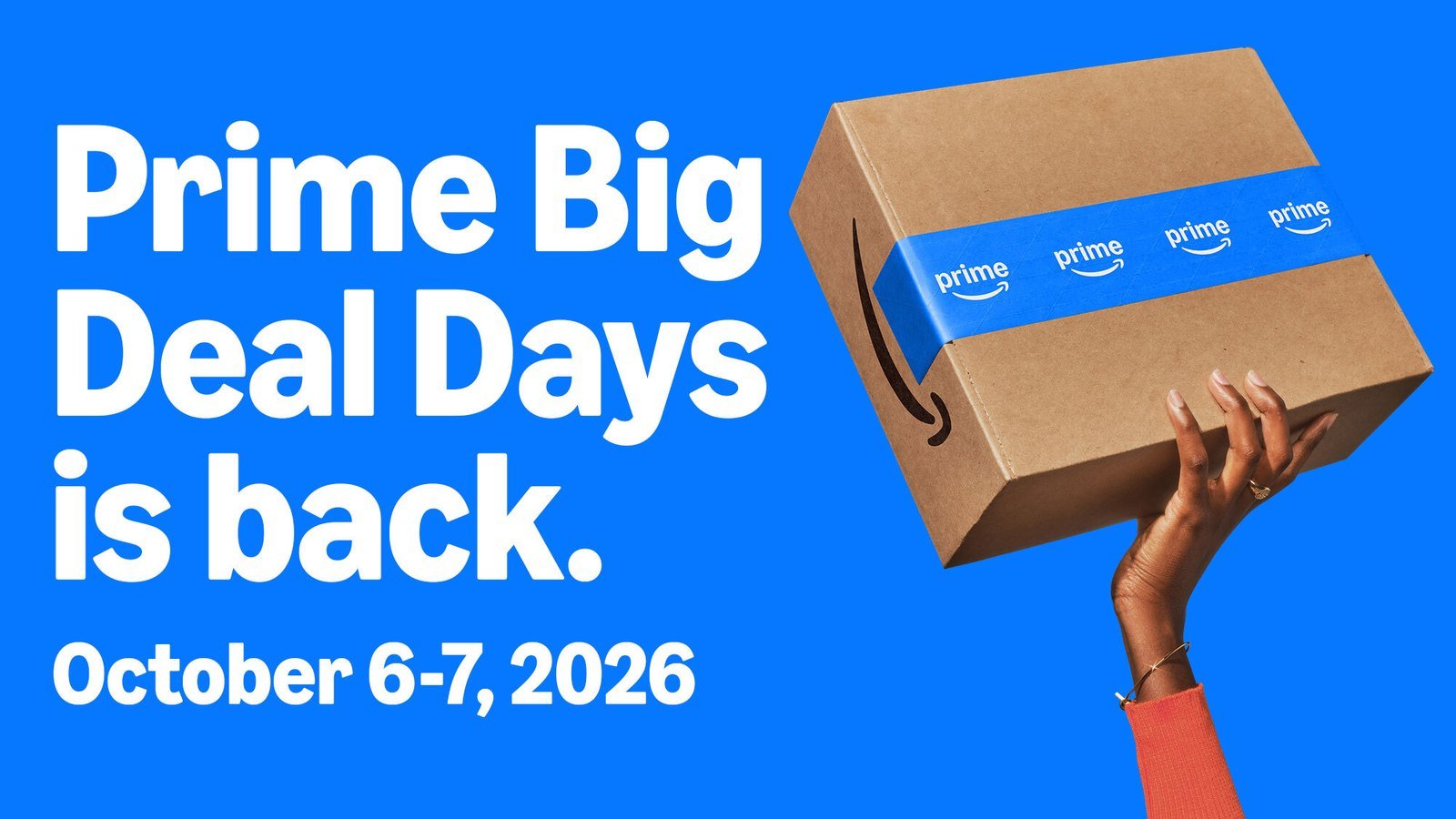
Amazon’s second Prime sale of the year opens at 12:01 a.m. Pacific on Oct. 6, which is 3:01 a.m. in Toronto, and runs 48 hours across 22 countries, Canada included, according to Amazon’s own announcement. New deals drop three times a day, at midnight, 8 a.m. and 1 p.m. Pacific. On the East Coast that’s 3 a.m., 11 a.m. and 4 p.m.
The bigger change is who Amazon expects to do the shopping. This is the first fall sale since the company folded Rufus and Alexa+ into a single assistant, Alexa for Shopping, in May. Amazon is pitching four things for the event: deal alerts, a 365-day price history, a list checker, and Auto-Buy. That last one is exactly what it sounds like. “Turn on Auto-Buy, and Alexa will automatically purchase it when it hits your price target,” Amazon writes.
Handing your credit card to a bot during a sale built on urgency deserves some thought. So does the fine print for Canadians, because most of this kit hasn’t crossed the border.
What Canadians actually get
Amazon’s how-to page for the assistant says it is available to “all U.S. Amazon customers”, and Digital Commerce 360’s launch coverage likewise describes a U.S. rollout. We could find no Amazon announcement bringing Alexa for Shopping or Auto-Buy to Amazon.ca. Amazon Canada’s own Big Deal Days pitch, as reported by iPhone in Canada, doesn’t mention AI shopping tools at all.
Price history is the exception. Amazon says the tool is “currently available to all customers in the U.S., UK, Canada, and India.” The same page says the longer 365-day view is rolling out in the U.S., UK and India only. So a Canadian shopper should expect the shorter windows; the year-long look back is, for now, someone else’s feature. Amazon launched Rufus in Canada in October 2024, and its Canadian page still describes it as available to all customers here.
Eva Lorenz, Amazon Canada’s country manager, framed the sale around fall: “As Canadians settle into fall and start thinking about everything from home projects to holiday prep, Prime Big Deal Days is the perfect time to save on all of it,” she said, per iPhone in Canada.
Price history is the useful bit
The price history link sits right next to the price on product pages, and Amazon says more than 50 million customers have checked it since it launched in 2024. It is the one feature here that works against the sale’s psychology rather than with it.
That matters because a strikethrough price can be fiction. Kyle James of Rather-Be-Shopping told Scripps News during last October’s sale: “That list price, no one is selling it for that, and no one sure as heck is buying it at that.” The fix is to ignore the list price and compare the deal price with the lowest price the item has actually sold for recently. If the “deal” matches a low the item hit two months ago, it isn’t much of one.
If you’re in the U.S. and want Auto-Buy
The mechanics are simple. You tell the assistant something like “Purchase this t-shirt when it’s $15 or less,” and it will, in Amazon’s words, “alert you—or complete your purchase using your default payment method—when the item reaches your price target.” Amazon’s announcement doesn’t spell out safeguards. Techlicious, citing Amazon’s Auto-Buy FAQ, reports that the feature requires Prime, works only on items fulfilled by Amazon, and that “you can always cancel within the first 24 hours.”
Our advice, for what a bot is allowed to do with your money:
- Set the target from the history, not the hype. Pick a price at or below the item’s recent low. A target based on the list price just automates the trap.
- Check your default card first. Auto-Buy uses it. If that’s a card you don’t watch, change it or skip the feature.
- Treat the 24-hour cancel window as a deadline. Purchases can fire at 3 a.m. Eastern when the first drop lands. Look at your orders the next morning.
- Remember the assistant also sells ads. Techlicious notes it will include sponsored product recommendations. Ask for a specific item, not “the best” one.
Then there’s timing. Black Friday lands on Nov. 27, about seven weeks after the sale, as PPC Land points out. An Auto-Buy target that fires in October buys you a price. It doesn’t buy you the lowest one of the year.
Membership is the price of entry. Amazon lists U.S. Prime at US$14.99 (CA$20.84) a month or US$139 (CA$193) a year, with a 30-day trial for eligible newcomers. Our read: the trial is how Amazon fills the sale, and Auto-Buy is how it keeps selling after the sale ends. Nothing in Amazon’s announcement ties a price target to the sale’s end date.

Lauren Smith covers consumer apps and services for prompt/power: streaming, subscriptions, e-commerce and everyday tech worth your money. She keeps a running tally of every free trial that quietly turned into a subscription.
Keep reading


Latest from prompt/power
- Gemini’s Free Tier Shrinks Oct. 9: What You Keep and What Costs ExtraOct 5
- How to Read an AI Company’s S-1: The 7 Numbers That MatterOct 5
- OpenAI’s Safety Lead Quit Over Culture. California’s AG Was Already InOct 5
- When an AI Agent Breaks In, Who Answers for It?Oct 5
- The New AI Models Don’t Talk. They Decide.Oct 5
Leave a Reply