One Coast, One Rocket, One Constellation
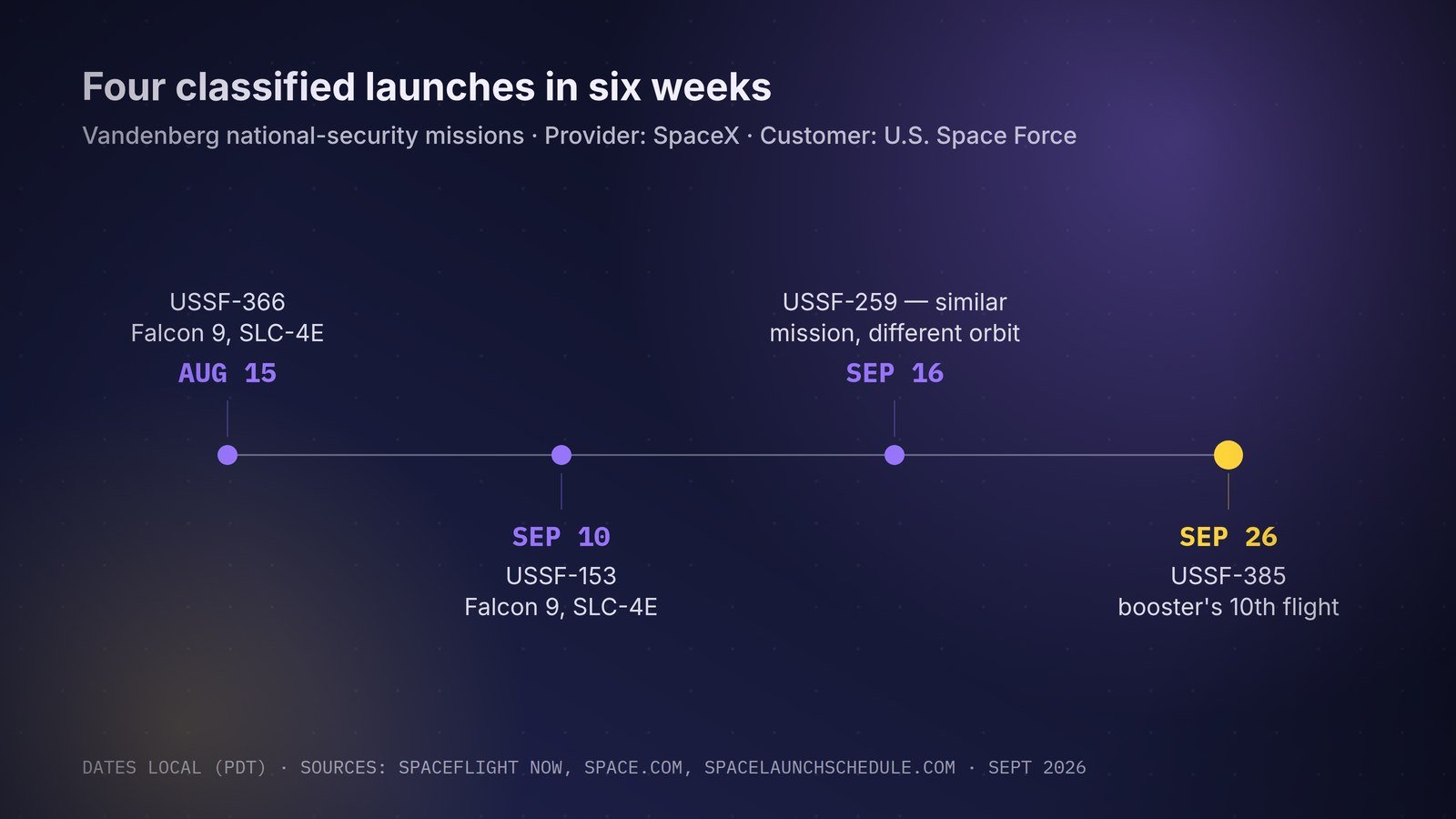
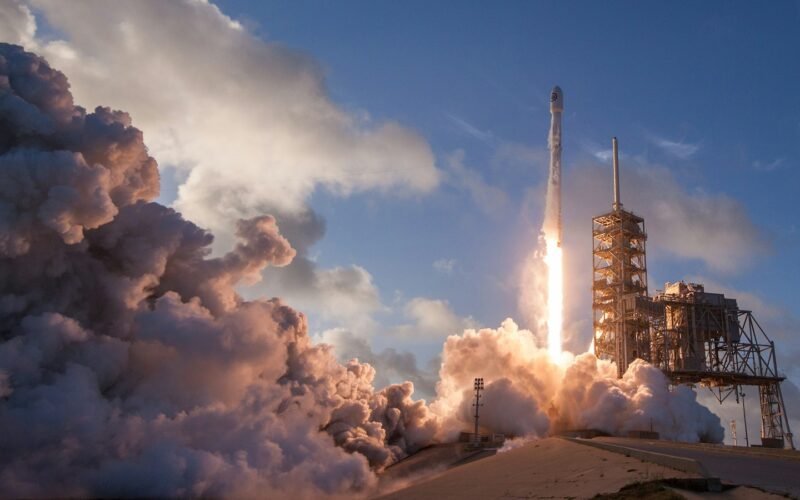
On Saturday, September 26, 2026, a SpaceX Falcon 9 lifted off from Space Launch Complex 4-East at Vandenberg Space Force Base in California carrying USSF-385, a classified payload for the U.S. Space Force. The Space Force disclosed nothing about the satellites, SpaceX withheld the usual launch-webcast views of the payload and second stage at the customer’s request, and the first-stage booster — tail number B1100, flying for the tenth time — landed on the droneship Of Course I Still Love You.
Read that paragraph again and notice how little of it counts as news. A classified mission, a reused booster, a routine recovery, a customer that says nothing. It is the ordinariness that is worth writing about.
What the mission actually was
Details on the USSF-385 payload have not been made public and are presumed classified, consistent with prior Space Force launches. But the mission does not appear to be a one-off. Spaceflight Now reported it as thought to be the third in a series deploying government satellites built on SpaceX’s Starshield platform — the militarized, proliferated variant of the same low-Earth-orbit constellation architecture that underpins Starlink. Independent launch trackers placed it within a rapid run of similar missions flown from the same coast over a matter of weeks, part of an ongoing build-out of a large, distributed constellation rather than a single flagship spacecraft.
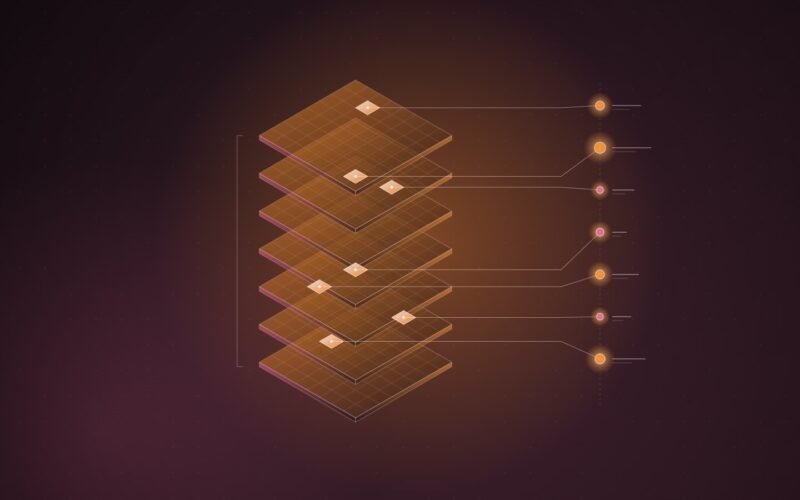
That architecture is deliberate. Proliferated LEO — many small, cheap, replaceable satellites instead of a few exquisite ones — is the Pentagon’s answer to the fear that adversaries could disable a handful of expensive assets. Spread the capability across dozens or hundreds of nodes and the system degrades gracefully instead of failing catastrophically. On its own terms, it is a sound resilience strategy.
The concentration nobody schedules
Here is the tension the resilience story papers over. The constellation is designed to be resilient in orbit. The path to orbit is not.
The satellites are built on a platform derived from one company’s commercial product. They are launched, overwhelmingly, on that same company’s rockets. They fly from a small number of pads on two coastlines, recovered by that company’s droneships, on a cadence that same company sets. Resilience is being engineered into the payload and quietly engineered out of everything upstream of it. You can lose a satellite and shrug. Losing the launch provider, or the pad, or the political relationship with the one firm that flies this often, is a different kind of exposure — and it is not a risk that gets a line item.
None of this is an accusation against SpaceX, which earned its position by flying cheaply and often when incumbents could not. The company’s reusable-booster cadence — a tenth flight of a single core, treated as unremarkable — is a genuine engineering achievement that the national-security space enterprise now depends on. That dependence is the point. A capability the government cannot easily replicate is a capability the government does not fully control, however aligned the incentives look today.
Why it matters
The Space Force is building one of the most distributed orbital architectures it has fielded on top of a highly concentrated launch-and-manufacture base. Both facts are true, and the second is the one that does not show up in a threat briefing about satellite survivability. A constellation that can absorb the loss of any node still rides to space through a single commercial chokepoint, and “we have a resilient constellation” is not the same claim as “we have a resilient way to put it there.”
The alternative providers exist — United Launch Alliance, Blue Origin, and others are in the national-security rotation — but the cadence that classified constellations now require is a cadence only one company currently sustains. Until that changes, weekends like this one will keep being unremarkable, and the unremarkableness is the vulnerability. The right question after a launch this routine is not “what did it carry” — that is classified and will stay that way — but “how many other ways does the United States have to fly this, this often?” Right now the honest answer is: not many.
Sources

Elena Vasquez covers space and frontier tech for prompt/power: launches, satellites, robotics, autonomy and defence tech. She counts rocket launches the way some people count sheep, and somehow sleeps less for it.


Leave a Reply