Why Your Next Console, Laptop or Phone Costs More, and How to Buy Anyway
AI data centres are outbidding consumers for memory chips, and the Switch 2, Xbox, PS5 and PCs have all gone up. Here's what's driving it and the buying rules that still hold.
Consoles usually get cheaper as they age. The Nintendo Switch 2 went the other way. On Sept. 1, 2026, its U.S. price rose from US$449.99 to US$499.99, and in Canada from CA$629.99 to CA$679.99, a little over a year after launch. Xbox and PlayStation raised prices earlier in the year. PC makers had been warning since January that their prices were going up too.
Nintendo blamed “changes in market conditions”. Sony cited “continued pressures in the global economic landscape.” Neither mentioned memory chips. But memory is the one cost all these devices share, and its price is now set mostly by demand from AI data centres. This guide covers how that works and how to buy around it until supply catches up.
How a data centre ends up on your receipt
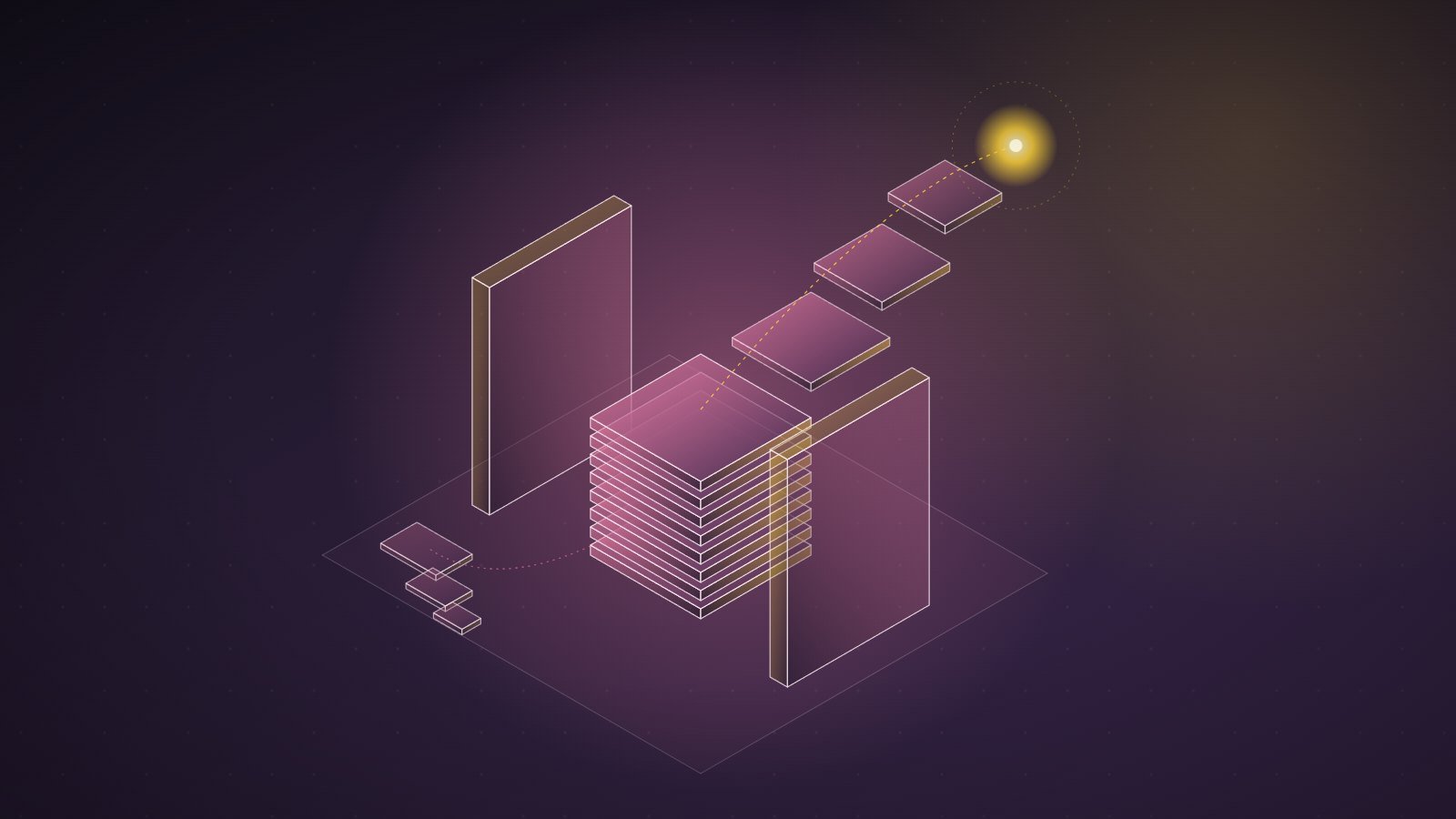
Every console and laptop, and every phone, needs DRAM, the working memory that holds whatever the device is doing at that moment. The same chipmakers that make it also make the memory inside AI servers, including high-bandwidth memory (HBM), the stacked chips mounted next to AI accelerators.
AI customers are outbidding everyone else for that output. As PCWorld’s Mark Hachman put it in January, “The culprit remains large AI hyperscalers, who are snapping up whatever components that they can to build out data centers.” Memory makers have moved production toward higher-margin server parts, which leaves less for consumer devices. Even the International Energy Agency, which normally writes about power grids, lists “a shortage of high-bandwidth memory” among the bottlenecks slowing AI’s build-out.
Analyst firm IDC’s verdict, quoted in the same PCWorld piece: “this signals the end of an era of cheap, abundant memory and storage, at least in the medium term.”
What has already gone up
Consoles. Besides the Switch 2, Microsoft raised U.S. Xbox prices in mid-2026. The Series S 512GB went from US$399.99 to US$499.99 (about CA$695), and the disc-drive Series X went from US$649.99 to US$799.99 (about CA$1,112), according to Nintendo Life. Sony’s April 2 increase took the PS5 Digital Edition to US$599.99 (about CA$834) and the PS5 Pro to US$899.99 (about CA$1,251). Tech Insider later reported that Sony walked back part of that increase in August, which is a good reason to check the current price on Sony’s site before you trust any number, including ours. The same report notes that Microsoft hasn’t given a detailed explanation for its increases.
PCs. According to IDC, Lenovo, Dell, HP, Acer and Asus warned clients of “15-20 percent hikes and contract resets.” IDC expects smaller and local builders, and the people building their own gaming rigs, to be hit hardest, because they can’t negotiate the volume pricing the big brands get.
Phones. These are harder to pin down, because phone makers rarely itemize their costs. IDC told PCWorld that memory can account for up to 20% of the build cost of a cheaper smartphone. That means budget phones are more exposed to memory prices than flagships, which spread the cost over a much higher price.
Pay for memory now, because you can’t add it later
On most thin laptops, every phone and every console, the RAM is soldered to the board, so the amount you buy is the amount you’ll have for the life of the device. IDC expects higher-end PCs to move toward 32GB or more as AI models increasingly run on the device itself.
Our advice: if you have to cut costs on a laptop, cut on the processor tier, the screen or the storage, which you can supplement with an external drive. Don’t cut on RAM. For a Windows laptop you plan to keep four or five years, we’d treat 16GB as the minimum and 32GB as the safer choice if you use local AI tools, edit video or keep 40 browser tabs open. A machine that’s slightly slow today will usually still be usable in a few years. One that runs out of memory won’t be.
Last year’s model is often the better buy
Our read: devices already in stores were mostly built with memory bought at older prices, and their successors will be built with memory bought now. When a new generation launches at a higher price, the outgoing model sometimes gets discounted to clear stock, and sometimes just disappears.
The way to tell the difference is to compare the RAM, not the model year. If last year’s laptop has the same 16GB or 32GB as this year’s and a processor that’s one generation older, the older one is usually the better value. If the new model’s only real upgrade is a chip with a faster neural processing unit, keep the older one. Memory matters more.
Buying refurbished? Go to the manufacturer, not a stranger
A refurbished device from the manufacturer’s own store comes with the memory it shipped with and a warranty. Apple, for example, says its certified refurbished products include “a one-year warranty, full functional testing” and savings of up to 15%. That’s a smaller discount than you’d find on a marketplace listing. What you’re paying for is the warranty.
For consoles, the math has changed. When a new console costs US$100 to US$150 more than it did a year ago, a used or refurbished unit from a retailer with a return policy looks much better than it used to. Check the storage size before you buy. That’s the spec a seller can quietly downgrade, and NAND flash, the chip used for storage, has been caught up in the same squeeze.
Don’t count on a sale to undo the increase
The usual advice is to wait for Black Friday. That works when prices are set by the retailer’s margin. It works less well when they’re set by component costs, which no retailer controls. A holiday discount on a console that just went up US$150 still leaves you paying more than last year’s price.
Our read: if you need a device, buy it when you need it and at the best price you can find, rather than gambling on the next sale. If you don’t need one, the stronger move is to keep the device you have. A new battery or a bigger external drive for an older laptop or console costs much less than replacing it, and it doesn’t involve buying memory at today’s prices.
How long this lasts
Nobody can name a date, and anyone who claims to is guessing. Memory has always been a boom-and-bust business, and new factory capacity takes years to build. IDC’s “medium term” is about as specific as the honest forecasts get. The more useful signal came from Japan, where Nintendo moved first. On May 25, the Switch 2 went from ¥49,980 to ¥59,980, a 20% increase on a console barely a year old. North America got the smaller version of that increase four months later.
Sources
Researched and drafted with AI tools, fact-checked against primary sources and approved by a human editor before publishing. Prices and dates are as of publication. Our standards →
Sources- nintendolife.com — US$499.99, and in Canada from CA$629.99 to CA$679.99
- nintendolife.com — "changes in market conditions"
- pcworld.com — put it in January
- iea.org — bottlenecks slowing AI's build-out
- nintendolife.com — US$799.99 (about CA$1,112)
- nintendolife.com — US$599.99 (about CA$834) and the PS5 Pro to US$899.99

Alicia Loveday is a senior editor at prompt/power and a mom who works where fashion meets AI. She leads Tech & Your Money: what Canadians actually pay for phones, plans and gadgets, and the fine print that changes the bill. When the news needs her elsewhere, she goes. She believes every algorithm should come with a return policy. She also writes for Not An Atlas and The Remote.
All stories by Alicia →Keep reading


Latest from prompt/power
- ChatGPT, Claude, Gemini and Copilot privacy settings: how to stop your chats training AINov 26
- How to turn off AI features on your iPhone, Android phone, Windows PC and in Google and Meta appsNov 26
- TSMC’s US$165-billion Arizona plan: what’s running and what’s still promisedNov 26
- The WHO’s 40-plus rules for AI in health care, and why they matter nowNov 26
- Celestica and Nvidia now share the lead in AI network switches as Ethernet sales more than double, Dell’Oro saysNov 26
[…] M4 iMac’s price had already risen to US$1,499 earlier in 2026, which fits the memory squeeze our buyer’s guide covered on Oct. 6. Apple’s education price for the entry model is also up, from US$1,399 for the […]
[…] in SK hynix’s guidance points to memory prices falling before its new capacity ramps. Our memory-shortage buyer’s guide has the rules that still […]
[…] and consoles are exposed to the same shortage; our memory-shortage buying guide covers how to shop around it. The number to watch on Oct. 29 is the MX division’s line. If it […]
[…] Budget phones are where memory hurts most, because it makes up a bigger share of a cheap phone’s parts bill. We covered that mechanism in our explainer on why your next console, laptop or phone costs more. […]